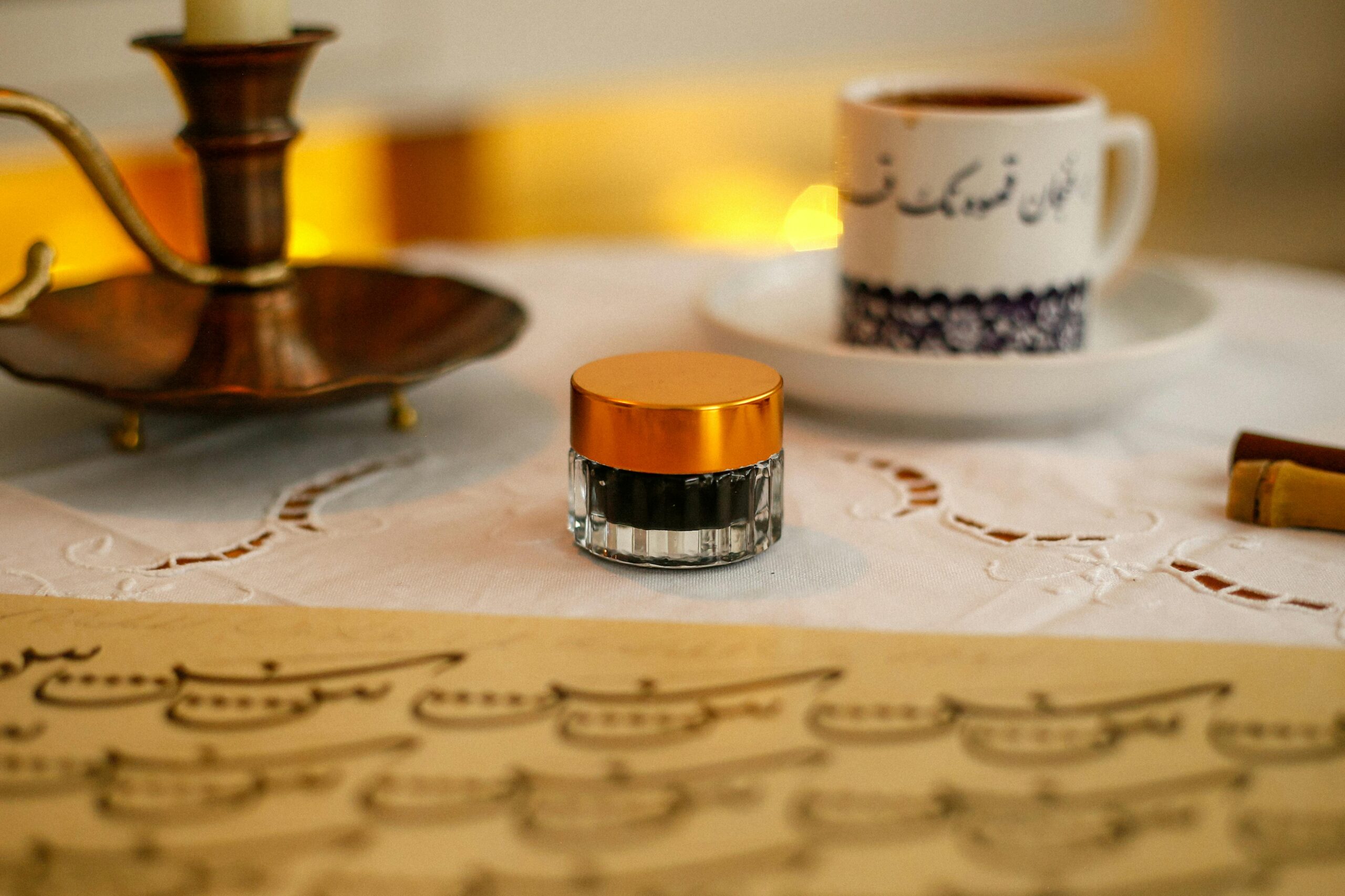
Farsi, also known as Persian, is one of the world’s oldest and most influential languages, with a history that stretches back nearly 3,000 years. It is the native language name used in Iran, while “Persian” is the English term more commonly used in international writing. Because of its deep literary tradition, rich cultural customs, and relatively straightforward grammar, Farsi is both fascinating to study and practical to learn.
Check Out This Article >> Sign Language: Origin, History, and Why It Matters
What Farsi Is
Farsi is the modern form of Persian, a language spoken today primarily in Iran, Afghanistan (where a closely related form is called Dari), and Tajikistan (where the related language is called Tajik). It belongs to the Indo-Iranian branch of the larger Indo-European language family, which means it is historically related to languages such as English, Hindi, and Spanish at a very broad level. The word “Farsi” comes from “Fars” or “Parsa,” the southwestern region of ancient Persia where the language’s roots were strongly associated.
Origin and Early History
The earliest stage of Persian is Old Persian, which appears in cuneiform inscriptions from the Achaemenid dynasty, roughly from 559 BC to 331 BC. After that period, Middle Persian, also known as Pahlavi, became prominent and was used especially in pre-Islamic religious and administrative texts. Modern Persian emerged around 800 AD and developed into the language spoken today, absorbing influences from Arabic and later other regional languages while still preserving its Persian identity.
Historically, Farsi became one of the great languages of literature, philosophy, science, and court culture across a wide region. Poets such as Rumi and Hafez helped shape its reputation as a language of beauty, reflection, and artistic expression. That literary prestige is one reason Farsi remains highly respected well beyond Iran.
Cultural Customs and Language Use
Farsi is more than a communication tool; it carries a strong sense of etiquette, hospitality, and poetic expression. In everyday speech, politeness matters, and greetings often reflect warmth and respect. Common expressions such as salām for hello and khodā hāfez for goodbye are part of daily life and immediately connect language learners to Iranian culture.
Another important custom is the use of poetry, proverbs, and indirect expression. Many Iranians grow up hearing verses from classical poets, and poetic references often appear in conversation, public speech, and family settings. This makes learning Farsi especially rewarding because language and culture are closely intertwined.
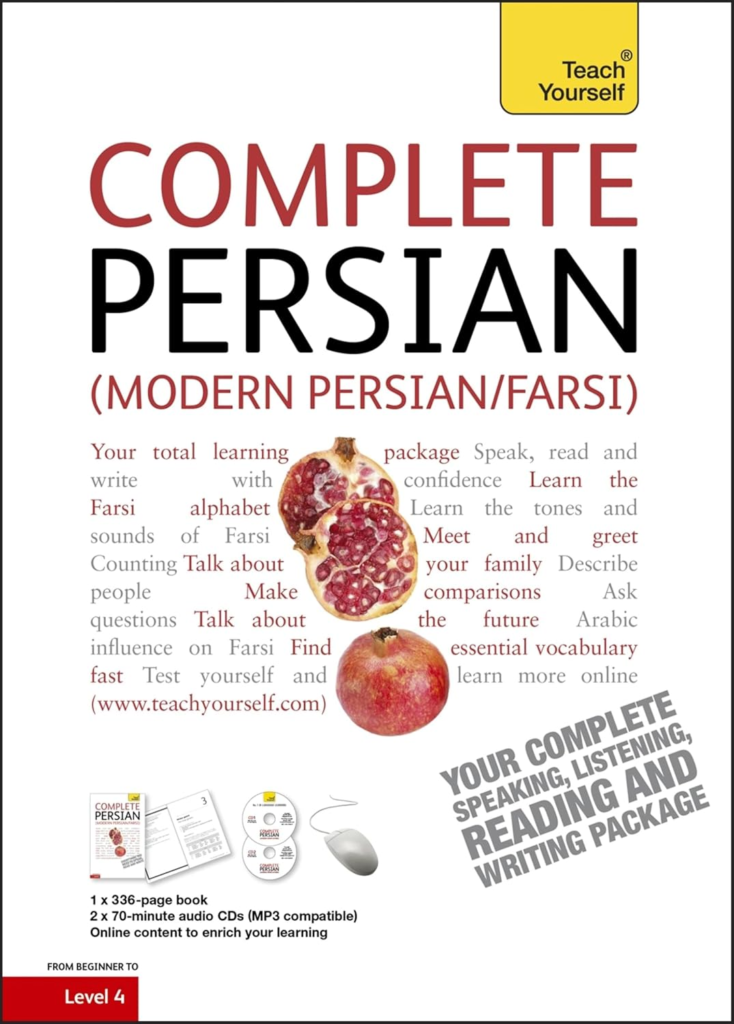
Check This Out >.> Complete Modern Persian (Farsi) Beginner to Intermediate Course: Learn to read, write, speak and understand a new language (Teach Yourself)
How Hard Farsi Is to Learn
For English speakers, Farsi is usually considered a medium-difficulty language rather than an extreme one. One major advantage is that Farsi grammar is relatively simple compared with many other languages: it has no grammatical gender, no noun case system like Russian or German, and fewer irregular verb patterns than some European languages. That simplicity helps learners build sentences earlier than they might expect.
The biggest challenge is often the script. Farsi uses a Perso-Arabic alphabet, and learners need time to get comfortable reading, writing, and recognizing connected letters. Another challenge is pronunciation and vocabulary, especially because the language uses sounds and letter forms that are unfamiliar to English speakers. Even so, many learners can begin basic conversation within 3 to 6 months of regular study.
Best Online Places to Learn
Here are strong online options for learning Farsi, with useful descriptions and typical fees:
Check This Article Out >> Spanish: The Easiest Practical Language for English Speakers
Why Learn Farsi
Learning Farsi opens the door to a rich world of literature, history, film, music, and cross-cultural understanding. It is especially valuable for travelers, researchers, heritage learners, diplomats, and anyone interested in Middle Eastern and Central Asian culture. Because the grammar is accessible and many high-quality online resources exist, Farsi is a realistic and rewarding language goal for dedicated learners.
Jamie L. Taylor
Soft Life Luxury