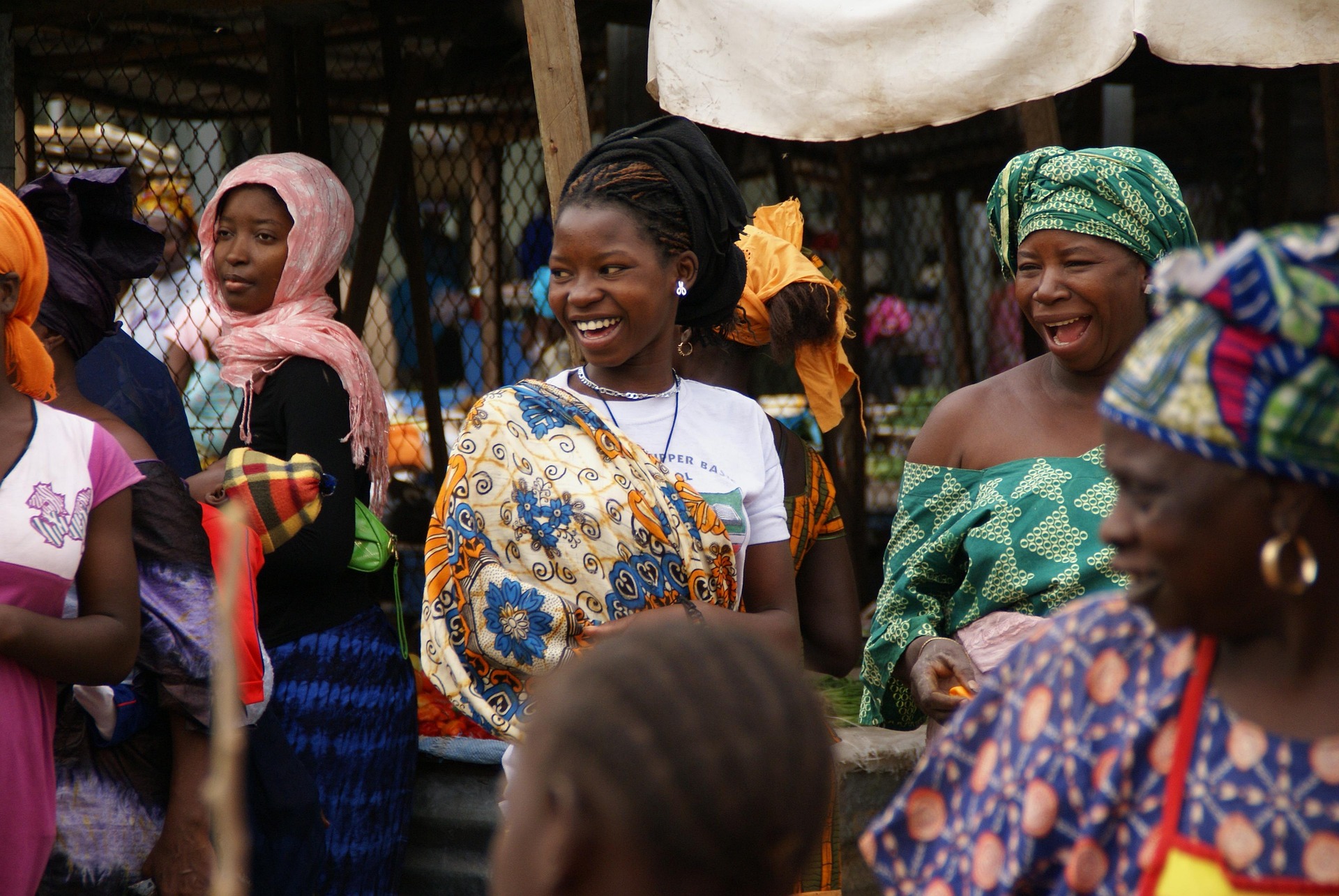
Creole is more than just a language family—it is a living record of migration, survival, and cultural blending. Creole languages developed when people who did not share a common tongue needed a way to communicate, and over time those contact languages became full, stable languages with native speakers.
What Creole Is
A creole language is a real, complete language with its own grammar, vocabulary, and native speakers. It usually grows out of a pidgin, which begins as a simplified contact language used for basic communication, then expands as children grow up speaking it as their first language. This is why creole is often discussed in linguistics as a language of resilience and adaptation, not as a “broken” form of speech.
Check This Blog Out >> Georgian Language: Origin, History, & Culture
Origin and History
Most creole languages formed during the age of European colonial expansion, especially in plantation societies and trading ports from the 17th and 18th centuries. People from Europe, Africa, and sometimes Asia or the Caribbean were forced or drawn into the same spaces, and a shared language became necessary for daily life, work, and trade.
Haitian Creole is one of the best-known examples. It developed in colonial Haiti from contact between French and African languages during the transatlantic slave trade, eventually becoming a native language for the population. Other creoles also formed in places like the Seychelles, Papua New Guinea, and parts of the Caribbean and Indian Ocean world.
Cultural Customs
Creole culture is not just about language; it includes food, music, family life, religion, and ritual. In Louisiana, for example, Creole traditions are reflected in foods like gumbo and jambalaya, in music such as zydeco, and in cultural practices like Mardi Gras and folk Catholic customs. In Caribbean communities, Creole customs can include wakes, Nine Nights gatherings, and songs or storytelling that honor ancestors and community ties.
These traditions show how Creole identity often blends African, European, Indigenous, and local influences into something distinct and enduring. That mix is part of what makes Creole cultures so rich and regionally unique.
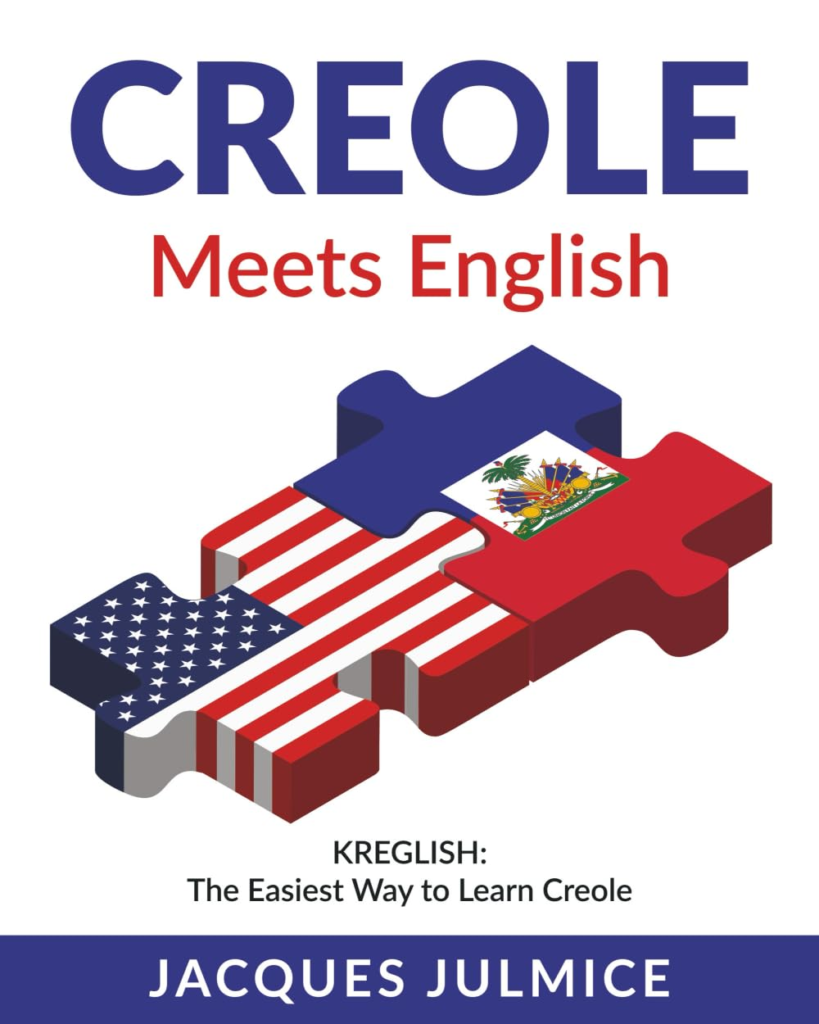
Check This Out >> Creole Meets English: Kreglish – The Easiest Way to Learn Creole
How Easy It Is to Learn
Creole, especially Haitian Creole, is often considered one of the easier languages for English speakers to learn compared with many others. One source notes that Haitian Creole has straightforward grammar, no verb conjugations in the way French or Spanish has them, and a mostly phonetic spelling system. That means words are often pronounced the way they are written, which helps beginners move faster.
That said, learning any creole still takes practice. Pronunciation, listening comprehension, and informal everyday speech can be tricky at first, especially because many learners are more familiar with French-based vocabulary than the actual rhythm and grammar of Creole. A steady routine of short daily practice usually works better than occasional long study sessions.
Best Places to Learn Online
Here are helpful places to study Creole online, especially Haitian Creole:
- HaitiHub — Offers free and paid Haitian Creole resources, community support, and structured lessons for serious learners.
- Pimsleur-style audio learning — Audio-heavy practice is useful for speaking and listening, especially for building confidence early on.
- Online beginner guides and courses — Some modern language platforms provide step-by-step learning plans, pronunciation help, and daily practice structure.
- University and community resources — Free downloadable materials and cultural blogs can help you hear natural speech and understand real-world usage.
Fees And Cost
The cost of learning Creole online can range from free to paid. Free resources often include blogs, videos, community forums, and downloadable lesson materials, while paid programs may offer more structure, audio training, or lifetime access. Some platforms use a subscription model, while others sell one-time course access, so the total cost depends on how structured you want your learning to be.
Why Creole Matters
Creole languages matter because they preserve history in a way that textbooks cannot. Every Creole language tells a story of contact, struggle, creativity, and identity. For learners, studying Creole is not only practical—it is also a way to connect with communities, traditions, and a global linguistic heritage.
Check This Article Out >> Spanish: The Easiest Practical Language for English Speakers
References
- Creole Languages: Origins and Common Features
- The Creole State: An Introduction to Louisiana Traditional Culture
- Haitian Creole: An Easy Guide to a Beautiful Language
- Creole language overview
- Creole languages | History, Characteristics & Examples
- Creole Culture
- How to learn Creole effectively
- HaitiHub Haitian Creole Classes and Community
Jamie L. Taylor
Soft Life Luxury