
The Flemish language, spoken in the northern region of Belgium known as Flanders, is one of Europe’s most fascinating linguistic treasures. Although often grouped under the umbrella of Dutch, Flemish carries its own distinct identity, cultural depth, and historical evolution. For learners, it offers a unique blend of Germanic structure, French‑influenced vocabulary, and melodic pronunciation that sets it apart from Standard Dutch. Whether you’re exploring Belgium, connecting with Flemish heritage, or expanding your linguistic skills, understanding Flemish opens the door to a rich cultural world.
🌍 Origins of the Flemish Language
Flemish traces its roots to Old Dutch, a West Germanic language spoken between the 6th and 12th centuries. As tribes such as the Franks settled in the region, their language evolved into what became known as Middle Dutch. Over time, regional variations emerged, and the dialects spoken in Flanders developed their own characteristics.
Check Out This Article >> The Oldest Language in the World: Ancient Origins, Fun Facts, and the Real Answer
Historical linguists note that Flemish was shaped by centuries of political and cultural shifts:
- French influence during periods of Burgundian and later French control
- Spanish rule in the 16th century, which introduced new vocabulary
- Trade connections with the Netherlands and the Hanseatic League
By the 19th century, Flemish identity strengthened as Belgium gained independence (1830). The Flemish Movement pushed for recognition of Dutch-based languages in government and education, solidifying Flemish as a cultural cornerstone.
📜 A Brief History of Flemish Through the Centuries
- 6th–12th century: Old Dutch forms the foundation of Flemish
- 12th–15th century: Middle Dutch evolves; Flemish cities like Bruges and Ghent become cultural hubs
- 15th–18th century: French and Spanish influence shape vocabulary and pronunciation
- 1830: Belgium becomes independent; Flemish identity rises
- 20th century: Flemish gains official recognition in education, media, and government
- Today: Flemish is spoken by over 6.5 million people in Belgium
🎭 Flemish Customs & Cultural Significance
Flemish culture is deeply tied to its language. Speaking Flemish connects you to:
- Traditional festivals like Aalst Carnival
- Flemish cuisine, including stoofvlees (beef stew), waffles, and Belgian fries
- Artistic heritage, especially the Flemish Masters such as Jan van Eyck and Pieter Bruegel
- Regional pride, as language is a key marker of identity in Flanders
The language is more than communication—it’s a cultural passport.
Check This Out >> Learn West Flemish: Introduction to Conversation
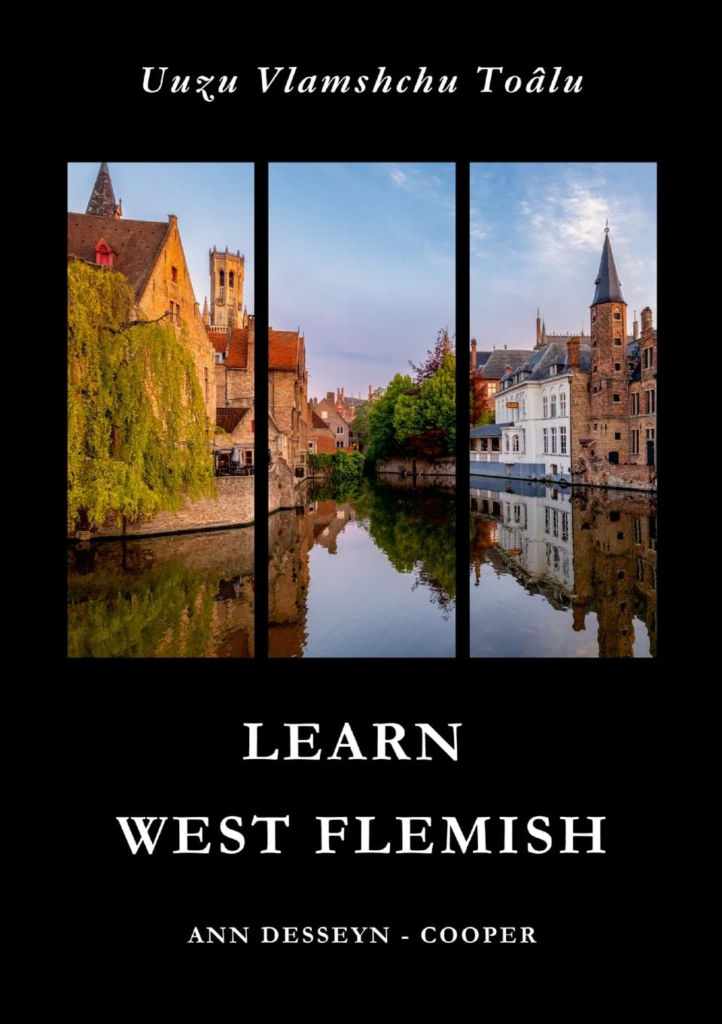
🗣️ Is Flemish Easy to Learn?
Difficulty Level: Moderate
Flemish is considered easier than many European languages for English speakers because:
- It shares Germanic roots with English
- Grammar is structured but logical
- Many words resemble English or German
Challenges include:
- Pronunciation differences from Standard Dutch
- Regional accents (West Flemish is famously strong)
- Unique vocabulary not found in Dutch textbooks
Still, with consistent practice, learners can reach conversational ability within months.
💻 Where to Learn Flemish Online (With Fees)
Below are reputable platforms offering Flemish courses:
1. Native Monks
- Format: 1‑on‑1 tutoring
- Fees: $10–$25/hr
- Best for: Personalized learning and flexible scheduling
2. Listen & Learn
- Format: Private or group lessons
- Fees: $30–$50/hr
- Best for: Business Flemish or relocation prep
3. Talkpal
- Format: AI‑powered lessons
- Fees: $10–$20/month
- Best for: Vocabulary building and pronunciation
4. uTalk
- Format: App-based learning
- Fees: $4–$10/month
- Best for: Beginners and travelers
Check Out This Article >> Sign Language: Origin, History, and Why It Matters
📈 Final Thoughts
Flemish is more than a dialect—it’s a living piece of Belgian history shaped by centuries of cultural exchange. Its Germanic roots make it approachable for English speakers, while its French‑influenced charm gives it a unique flavor. Whether you’re learning for travel, heritage, or curiosity, today’s online platforms make mastering Flemish more accessible than ever.
Jamie L. Taylor
Soft Life Luxury